From Vision to Reality: The Power of Smart City Solutions
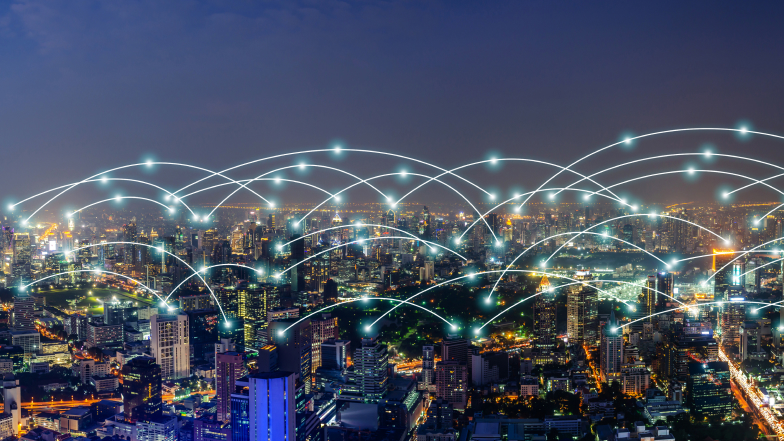
As urban populations continue to rise, the concept of smart cities is becoming more vital. These cities leverage technology and data to improve infrastructure, enhance sustainability, and provide a better quality of life for their residents. Smart cities integrate innovations like the Internet of Things (IoT) to automate and optimise everyday systems, making urban spaces more efficient, safe, and more comfortable.
One of the major contributors to this transformation is JioThings, a platform that offers cutting-edge solutions for real estate and urban development. By connecting devices and systems, JioThings aims to empower cities to manage resources more efficiently and improve citizen engagement.
Smart Solutions for Urban Living and Development
JioThings offers a broad range of smart solutions designed to transform the way urban infrastructure operates. These solutions enhance various aspects of urban living, from energy management to mobility, making cities more efficient, sustainable, and livable.
- Smart HVAC: Heating, Ventilation, and Air Conditioning (HVAC) systems are integrated to monitor and control environmental conditions in real time. This reduces energy consumption and costs by optimising temperature settings, airflow, and ventilation based on usage patterns and external weather conditions. By offering predictive maintenance capabilities, smart HVAC systems also ensure that equipment runs efficiently and requires less frequent repairs.
- Smart Surveillance: Smart surveillance systems, powered by AI and machine learning, provide real-time monitoring, identifying potential threats or unusual activities. These systems can automatically alert authorities to any security breaches, ensuring faster response times. Additionally, they offer advanced features like facial recognition, license plate recognition, and behavioural analytics, making them crucial for ensuring safety in public spaces and commercial buildings.
- Smart Lighting: Smart lighting solutions allow for the automation of lighting systems in public spaces and buildings. These systems adjust brightness based on the presence of people or ambient light, significantly reducing energy waste. Additionally, they can be programmed for scheduling and controlled remotely, making maintenance easier. This not only improves energy efficiency but also contributes to a sustainable and eco-friendly urban environment.
- Asset Tracking: Asset tracking is essential for monitoring and managing valuable equipment, vehicles, and other assets in real time. Using GPS and IoT-enabled sensors, these systems provide constant updates on the location, condition, and usage of assets. This increases efficiency by minimising loss, theft, or misplacement, while also optimising asset utilisation and maintenance schedules.
- Digital Signage: Digital signages allow municipalities and businesses to display dynamic content across various digital displays. From public announcements to advertisements, these systems offer a flexible way to communicate with the public. In smart cities, digital signage can be integrated with other systems to provide real-time information on weather, transportation, and emergencies, making them a vital communication tool.
- Sub-Metering: Sub-metering enables precise tracking and measurement of energy and water consumption at the unit level in residential or commercial buildings. This ensures fair billing and encourages users to monitor their usage, leading to more sustainable consumption patterns. It also helps building managers identify areas of inefficiency and take corrective actions to optimise resource use, reducing overall costs.
- EV Charging Stations: EV charging stations are critical infrastructure for promoting clean and sustainable transportation. Smart EV charging solutions, integrated with IoT, enable users to locate charging stations, check availability, and make payments seamlessly. These systems also support energy management, allowing for smart scheduling to avoid grid overload during peak hours and ensuring that charging stations are consistently available when needed.
- EV Battery Management: EV battery management systems track the health and performance of electric vehicle batteries, providing real-time data on charge levels, battery life, and energy consumption. These systems also enable predictive maintenance, ensuring that batteries operate at their peak efficiency. For smart cities, this technology is crucial in managing the growing number of EVs and ensuring that the energy grid remains stable while providing optimal service to EV owners.
- Smart Water Metering: Smart water metering allows cities and building managers to monitor water usage in real time. These systems can detect leaks, abnormal consumption, and inefficiencies, helping to reduce waste and promote responsible water use. By integrating with central management systems, smart water meters provide accurate billing, improve operational efficiency, and contribute to sustainable water resource management in urban environments.
- UPS Monitoring: UPS monitoring for continuous power supply is designed to ensure that critical infrastructure, such as hospitals, data centres, and communication hubs, remain operational during power outages. IoT-enabled UPS systems provide real-time data on battery health, load capacity, and runtime, enabling proactive maintenance. This helps prevent power disruptions, reduces downtime, and ensures the continuous delivery of essential services in a smart city.
- Smart Parking Management: Smart parking management uses IoT sensors and data analytics to monitor parking spaces in real time. This system helps drivers locate available parking spots quickly, reducing traffic congestion and fuel consumption. In addition, smart parking management can offer dynamic pricing based on demand, improving the utilisation of parking spaces. This is particularly beneficial in densely populated areas, where parking can be a major challenge.
Key benefits of implementing these smart solutions
The implementation of smart technologies in cities has the potential to revolutionise the way urban areas function. Some of the key benefits that smart city solutions offer include:
- Improved efficiency and cost savings: By automating systems like HVAC, lighting, and water metering, cities can significantly reduce operational costs and energy consumption. This leads to greater efficiency in resource management, reduced waste, and lower utility bills for both citizens and municipalities.
- Enhanced safety and security: With advanced surveillance systems, smart cities can ensure that public spaces are safer for residents and visitors. AI-powered analytics enable faster identification of security threats, while digital signage helps to disseminate important information during emergencies, ensuring a secure urban environment.
- Sustainability and environmental impact: Smart city solutions like energy-efficient lighting, water management, and EV charging stations contribute to the reduction of carbon footprints. By optimising resource usage, cities can promote sustainability and work towards achieving environmental goals, such as reducing greenhouse gas emissions.
- Improved quality of life: With solutions such as smart parking, digital signage, and real-time water and energy monitoring, residents experience a more convenient, comfortable, and responsive urban environment. Smart cities enable better services, reduce pollution, and improve overall living conditions.
The future of smart cities looks promising, with technology continuing to evolve at a rapid pace. JioThings is playing a crucial role in shaping this future by offering a range of innovative solutions that not only enhance urban living but also contribute to sustainable development. As cities become more connected, JioThings' solutions will continue to integrate IoT and AI, enabling smarter resource management, better infrastructure, and enhanced citizen engagement.
Want to know how JioThings is empowering the smart cities’ transformation? Reach out to us at hello@jiothings.com.